1 min read
Closing the ESG Gap: Why SMEs in Supply Chains Must Act Now
A new and potentially dangerous divide is emerging across global supply chains, and SMEs are at the centre of it. Recent insights from Allianz Trade...
2 min read

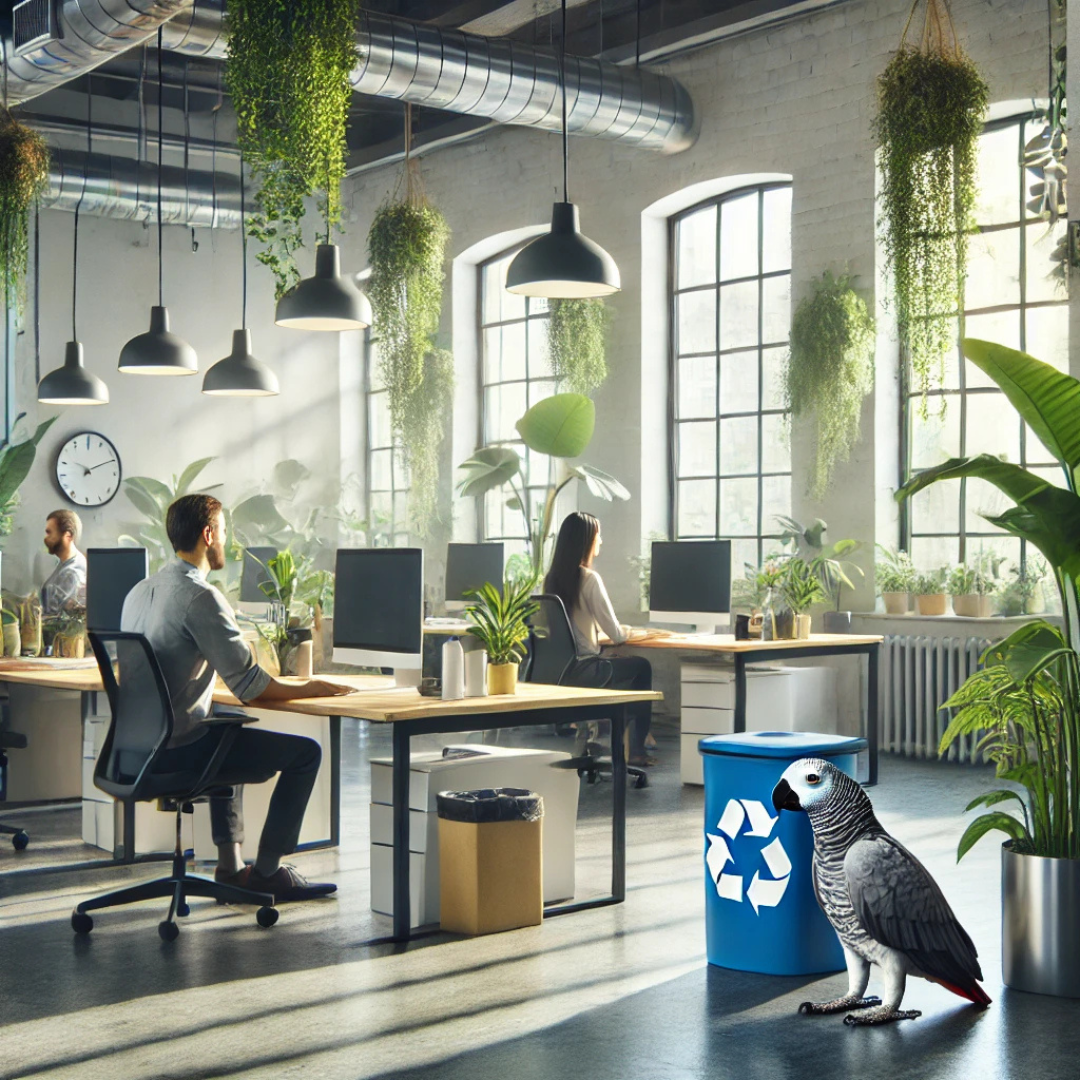
Meet Caper, my 14-year-old African Grey Parrot—and quite possibly the fussiest foodie I know. She enjoys a vibrant diet of fresh, seasonal fruits and vegetables: strawberries, blueberries, raspberries, carrots, broccoli, and sugar snap peas.
But here’s the twist—if her food isn’t perfectly fresh, she flat-out refuses to eat it.
Over the past year, I’ve noticed it’s becoming harder to source her favourite produce. Why? Climate change is disrupting not just global supply chains but our everyday habits—including what ends up in our fridges (or food bowls).
If my parrot is feeling the effects of climate disruption, your workplace and business are likely already affected too.

From heatwaves to floods and unpredictable seasons, extreme weather events are impacting crop growth and harvesting cycles. This leads to food shortages, higher prices, and more reliance on imports.
Climate-induced droughts are placing huge pressure on farms, especially those relying on irrigation. Less water means fewer crops and more competition for limited resources.
Ireland depends heavily on imported fruits and vegetables—particularly from Spain and the Netherlands. When those regions face climate stress, Irish food supply chains feel the shockwaves.
For Caper, that means fewer blueberries. For businesses? It means higher operational costs and an urgent need to rethink sustainability strategies.
Whether you’re feeding a parrot or leading a team, here are four workplace sustainability practices to adopt today:
Implement smart waste management processes.
Choose local, seasonal foods to cut transport emissions.
Use energy-efficient systems like LED lighting and automated climate controls.
Optimise water usage in office kitchens, manufacturing, and landscaping.
Partner with eco-conscious suppliers and prioritise ethical sourcing.
Audit your supply chain for environmental impact and make greener choices.
Launch green commuting schemes like bike-to-work and carpooling.
Set sustainability goals and make them part of your company culture.
Sustainable business practices aren’t just good for the planet—they’re essential for long-term growth. Companies that embrace sustainability often benefit from:
✅ Reduced operational costs
✅ Improved employee morale and retention
✅ Enhanced brand reputation
✅ Compliance with ESG regulations and sustainability standards like ISO 14001 and ISO 50001
At CG Business Consulting, we empower businesses to build a more sustainable future through tailored strategies and hands-on support.
✔ ESG Reporting and Compliance
✔ Carbon Footprint Reduction
✔ ISO Sustainability Standards Implementation (ISO 14001, ISO 50001, and more)
✔ Sustainable Supply Chain Management
📩 Contact us today to learn how we can support your journey toward sustainability.
Because it’s not just about the environment—it’s about people, businesses, and even parrots like Caper. 🦜💚

1 min read
A new and potentially dangerous divide is emerging across global supply chains, and SMEs are at the centre of it. Recent insights from Allianz Trade...

1 min read
In recent years, the impacts of global warming have become alarmingly evident, from rising sea levels to extreme weather events. One stark example is...

1 min read
QEHS Certification: Saving Your Workplace from Disaster (and Embarrassment) Ah, QEHS certification. The holy trinity of Quality, Environmental,...