1 min read
What Is the OCS Europe Certification Scheme and Why It Matters for Your Business
Background Plastic pollution is one of the most urgent environmental threats of our time. Every year, up to 500,000 tonnes of plastic pellets, the...
4 min read
The European Parliament has just voted in favour of the final Omnibus agreement. Another vote, another round of reassurance that sustainability rules are being “simplified” for business. But behind the language of proportionality and burden reduction sits a far less comfortable truth: for many firms, the excuse of compliance has just been removed.
For over a decade, sustainability in Europe has been justified by regulation. Companies acted because they had to. They reported because the law demanded it. Now, with thresholds raised and obligations softened, that shield is gone. Firms that fall outside the scope of mandatory reporting can no longer point to regulation as the reason they are, or are not, taking sustainability seriously.
This is not regulatory housekeeping. It is a moment of reckoning. If sustainability only existed in your organisation because Brussels required it, the EU Omnibus has just exposed how fragile that commitment really was.
Let’s be honest about how sustainability has operated in many organisations.
For years, it sat safely within a compliance framework. New directives arrived, gap analyses were carried out, consultants were hired, data was gathered, reports were published. Progress was measured in deliverables rather than outcomes. Success meant being “in scope” and “on time”.
This approach wasn’t necessarily cynical - but it was convenient. Compliance provided clarity. It created deadlines. It justified budgets. Most importantly, it answered the why question.
Why are we doing this?...... Because we have to.
The EU Omnibus disrupts that logic. By narrowing the scope of mandatory sustainability reporting and due diligence, it removes the external pressure many firms relied on to legitimise action internally. Sustainability can no longer hide behind legal obligation.
And without that cover, an uncomfortable question emerges: what happens to sustainability when it is no longer compulsory?
It is tempting to frame the Omnibus as deregulation. That would be misleading.
The EU has not abandoned its climate, environmental, or human rights ambitions. Net zero targets remain. Supply chain responsibility remains. Investor expectations remain. Public scrutiny remains. What has changed is the mechanism of enforcement - and who is expected to carry the weight.
By simplifying reporting and increasing thresholds, the EU is effectively saying: not everything can be forced through compliance. Some responsibility must now sit more clearly with corporate leadership itself.
That is why the Omnibus is not a step back - but a test.
Voluntary sustainability reporting offers SMEs a valuable opportunity to shape their own narrative. Unlike compliance-driven reporting, it allows businesses to focus on what genuinely matters to them.
Rather than following a fixed regulatory checklist, voluntary reporting encourages SMEs to make deliberate, strategic choices:
Which environmental or social issues are most material to our business model?
Where do we have meaningful influence, and where do we not?
What priorities are we willing to invest in and stand behind?
This process can strengthen strategy rather than complicate it. It promotes clarity of purpose, sharper decision-making and more credible commitments.
Done well, voluntary reporting helps SMEs build trust with customers, lenders and partners. It enables transparent communication, avoids one-size-fits-all disclosures, and supports authentic progress over box-ticking.
In this sense, voluntary reporting does not raise the stakes unnecessarily - it empowers SMEs to lead with intention, credibility and control.
Some organisations will quietly welcome the Omnibus. Less reporting. Fewer obligations. Reduced pressure. Sustainability can be parked - at least for now.
This would be a serious miscalculation.
Regulation is only one driver of sustainability expectations. Others are accelerating, not retreating:
Firms that treat the Omnibus as an off-ramp risk finding themselves unprepared when expectations tighten again. Capability lost is far harder to rebuild than capability maintained.
Compliance minimalism might feel safe in the short term. Strategically, it is reckless.
The most significant implication of the Omnibus is not technical. It is cultural.
Sustainability can no longer be delegated solely to compliance teams, ESG managers, or external advisers. Without regulatory compulsion, leadership intent becomes the limiting factor.
Boards and executive teams must now answer questions they previously avoided:
These are not comfortable conversations. They involve risk, cost, and uncertainty. But they are unavoidable if sustainability is to survive beyond regulation.
The Omnibus does not reduce leadership responsibility. It increases it.
There is an opportunity here - if firms choose to take it.
The removal of rigid compliance structures creates space for more focused, meaningful sustainability action. Instead of trying to do everything, companies can concentrate on what truly matters to their business and stakeholders.
This means:
This is sustainability as ownership, not obligation.
It is harder. But it is also more credible.
Strip away the politics, the procedural debates, and the regulatory detail, and the EU Omnibus asks every organisation a simple but confronting question:
There is no single correct answer. But there is one unacceptable response: silence.
The era of compliance-led sustainability is ending. The EU Omnibus accelerates this shift by removing the regulatory crutch many firms leaned on.
What replaces it is not deregulation - but choice.
Firms that continue to “play the compliance card” will find it carries less and less weight. Credibility now depends not on what the law requires, but on what leadership chooses to do when the law steps back.
The Omnibus has changed the rules of the game. The question is whether businesses are ready to play it differently.
💬 Contact us now to begin your VSME journey
1 min read
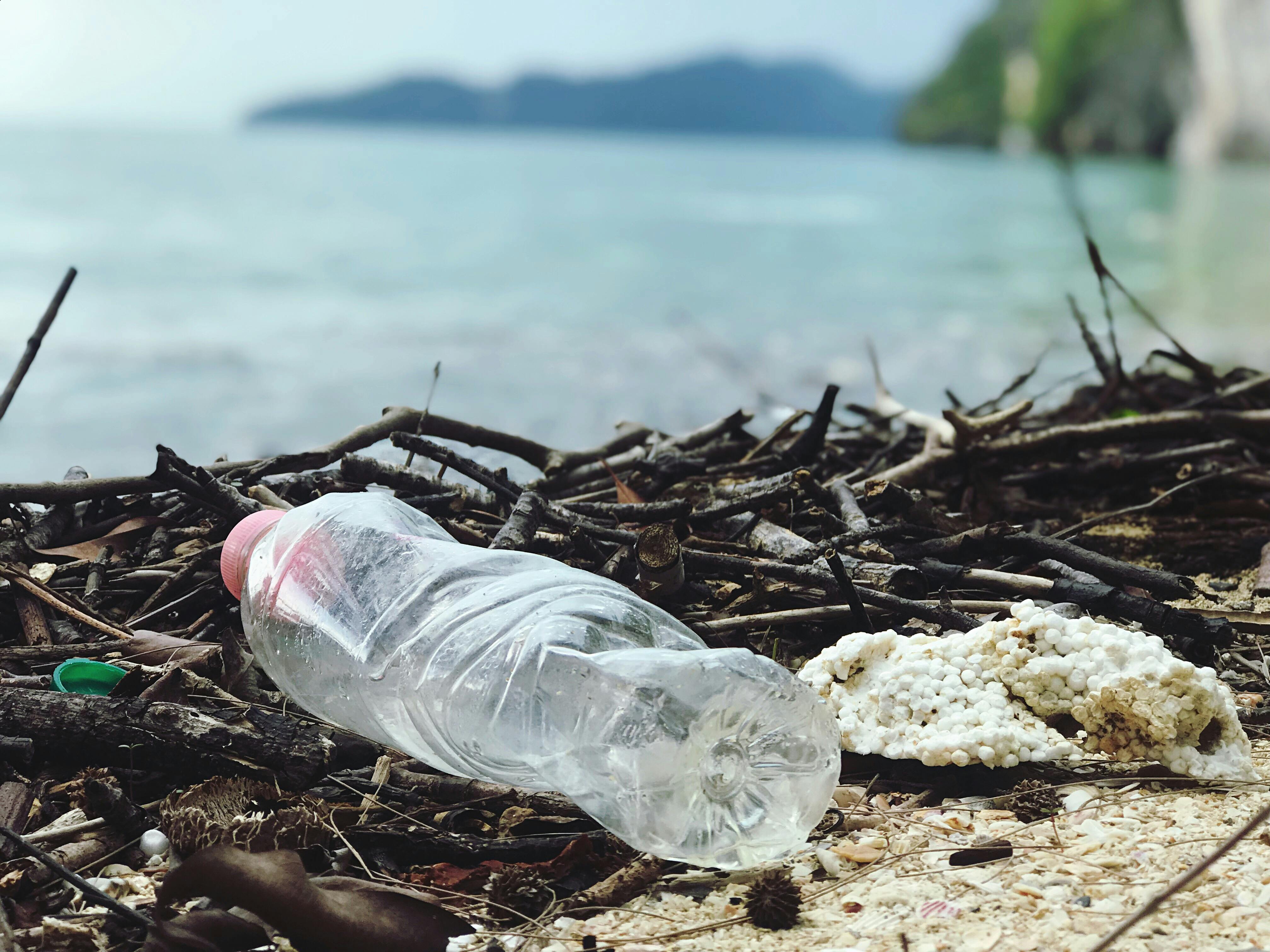
Background Plastic pollution is one of the most urgent environmental threats of our time. Every year, up to 500,000 tonnes of plastic pellets, the...

1 min read
QEHS, ISO Certification, and the Strategic Role of Digitisation For Irish SMEs, the business environment entering 2026 is more demanding - and more...
1 min read
Beyond the Green: Building Ireland’s Net Zero Future Every March, the world turns green for St. Patrick’s Day. It’s a celebration of heritage,...